ICF Member | ICF ACC Accredited | ILM Qualified
Team Coaching & Facilitation
I work with teams navigating organisational change, culture resets, mergers, restructures and the collaboration breakdowns that come with them.
Organisations bring me in when the formal integration has gone well on paper, but the people side hasn't landed yet. Teams may be siloed, people can be overwhelmed and burnt out sometimes the resentment has started to creep in.
You know this needs to change, but generic team-building won't move it.

The situation
You've seen that your teams need support. Something that actually shifts how people work together.
Your organisation is in transition:
- A restructure, merger, leadership change, or rapid growth is underway
- Teams have become siloed; collaboration across boundaries isn't happening
- Some people may even be actively resisting or checked out, morale is tested
- Change has brought additional workload and people feel overwhelmed and stretched
- Conflict may have even surfaced between teams or within leadership
- Culture isn't yet aligned with the new direction
Underneath it all are the real concerns; talent loss, decreased productivity, culture that isn't yet aligned and the change failing because people aren't with it.
You need someone from outside the system to hold the space. Your internal team knows the organisation inside out, which is part of what makes them good, but people naturally protect themselves around those embedded in the system when change is happening.
An outside person creates enough distance and safety that teams can speak what's true, without the fear of organisational consequences. Then teams can reset.
Why this matters
The organisations I work with have usually already invested in the structural side of change. They've reorganised reporting lines, clarified new roles, aligned on strategic direction. That work is done or in progress.
Helping teams actually become one, at the human level, is where outside expertise makes the difference.
When you don't support teams well through change, you see these patterns:
- Leaders are frustrated that "people aren't getting it" when often, people are overwhelmed and haven't had space to make sense of it
- When people feel unheard or unsupported during change, disengagement follows… and talented people are often the first to explore other options
- Burnout builds when people are stretched without understanding the why or having space to process what's changing. Catching this early prevents escalating sick leave and deeper disengagement
- Team members and leaders naturally process change at different speeds. Without acknowledgement, you end up with people at different points on the change curve, pulling in different directions and fracturing cohesion
- Teams that need to collaborate are protecting their patch instead
- Everyone's operating at 105%, making mistakes and friction slows everything down
- The change that should take 12 months is still messy at month 18
What shifts when teams get support through change:
- People understand why the change matters, not just what's changing
- They've had a voice in shaping how it happens and what happens next creating buy in.
- Leadership is visibly aligned and clear about how the team will work together
- Any gaps that need addressing are clear
- Collaboration goes from an aspiration to lived practice
- People know what's expected and valued, and they can commit to it
- Burnout drops; engagement and productivity lifts
- The change actually lands, and lands faster
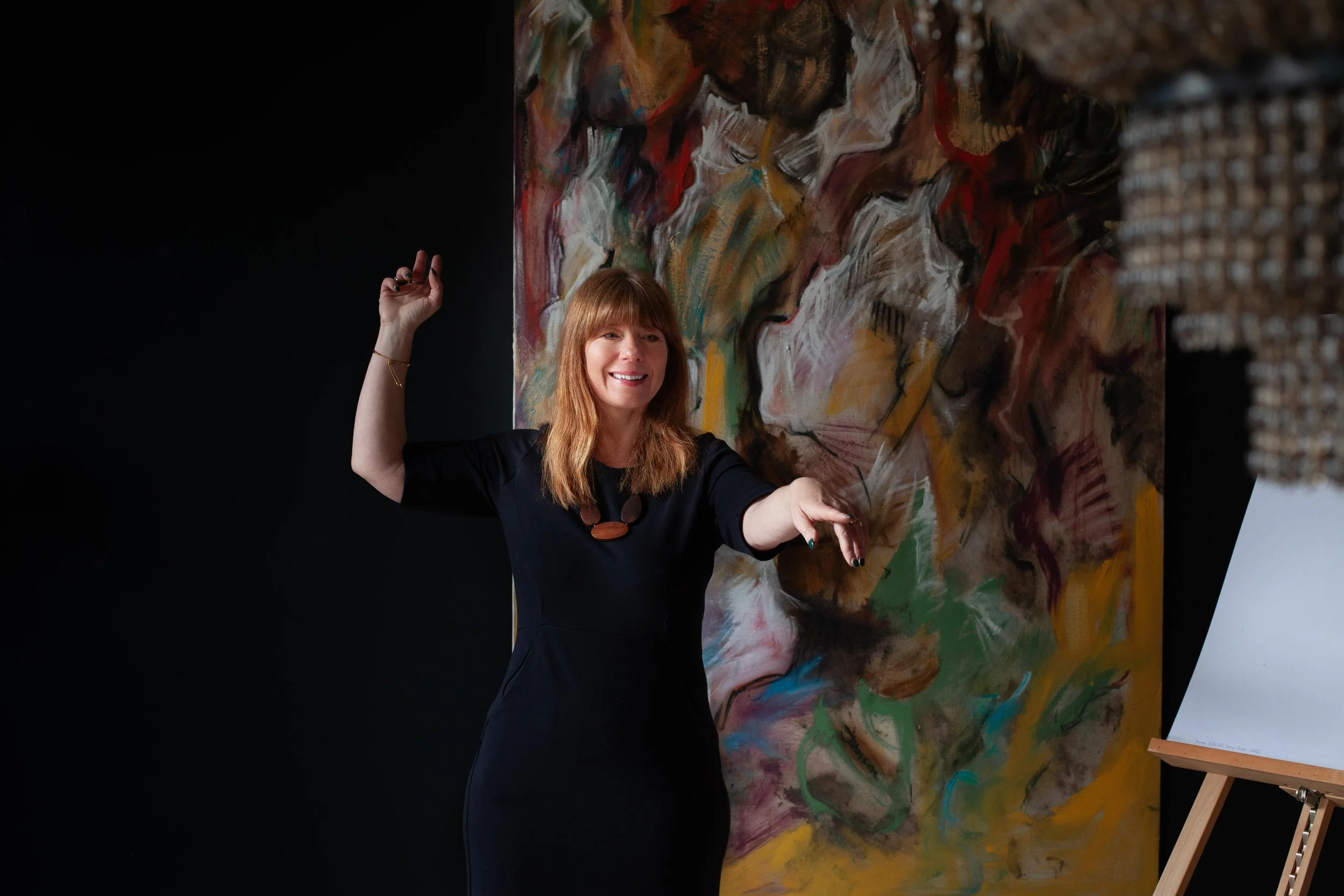
How I work with teams
I don't come in with a prescriptive model. Instead, I listen to what's really happening with your teams, then design a sequence of sessions that build on each other, each one shaped by what you and they tell me.
The offerings I use:
Design Conversation
— We talk through what's happening, what's at stake, and what success looks like. This shapes everything that follows.
Team Analysis
— I bring tools like strengths profiling, personality typing or ecosystem mapping depending on what the team needs to understand about itself and its dynamics. This isn't about labelling people. It's about giving them language for how they work together and where the friction is.
Culture & Values Setting
— Teams name their current culture (how we actually work, what we actually value), the culture they want to become and the specific commitments that will get them there. This moves from vague to clear and actionable fast.
Conflict Resolution & Facilitation
— Sometimes the block is a specific conflict between teams or within leadership. I facilitate that conversation so it gets resolved rather than absorbed.
Bespoke Team Coaching
— For teams managing complex change, I work with the whole group over several sessions - moving from understanding the change, to working through resistance, to building new ways of collaborating, to embedding what's different.
Ongoing Programme Coaching
— Some teams benefit from regular monthly sessions over 6-12 months, so the change embeds rather than fades. This is especially powerful for leadership teams navigating sustained complexity.
Away Days
— A full or half-day session where the team comes together, gets clear on direction, works through the people side of change, and leaves with named commitments and next steps.
All of these are designed to move teams from stuck to moving, and from individual thinking to collective purpose.
Solutions Engineered for Measurable Impact
We present a comprehensive suite designed to facilitate operational excellence and sustained growth.
Collective Excellence
-
![]()
Chief Executive Officer
Chief Executive Officer
We count on this visionary to define strategic priorities, allocate resources responsibly, and ensure every decision reinforces long-term value creation. -
![]()
Head of Operations
Head of Operations
We trust this leader to synchronize production, logistics, and support functions, cultivating dependable processes that uphold our service commitments. -
![]()
Lead Engineer
Lead Engineer
We depend on this engineer to transform conceptual requirements into robust technical solutions that integrate seamlessly with existing infrastructures. -
![]()
Client Services Manager
Client Services Manager
We empower this manager to maintain proactive client dialogue, demonstrating our accountability while anticipating emerging needs with tailored solutions.